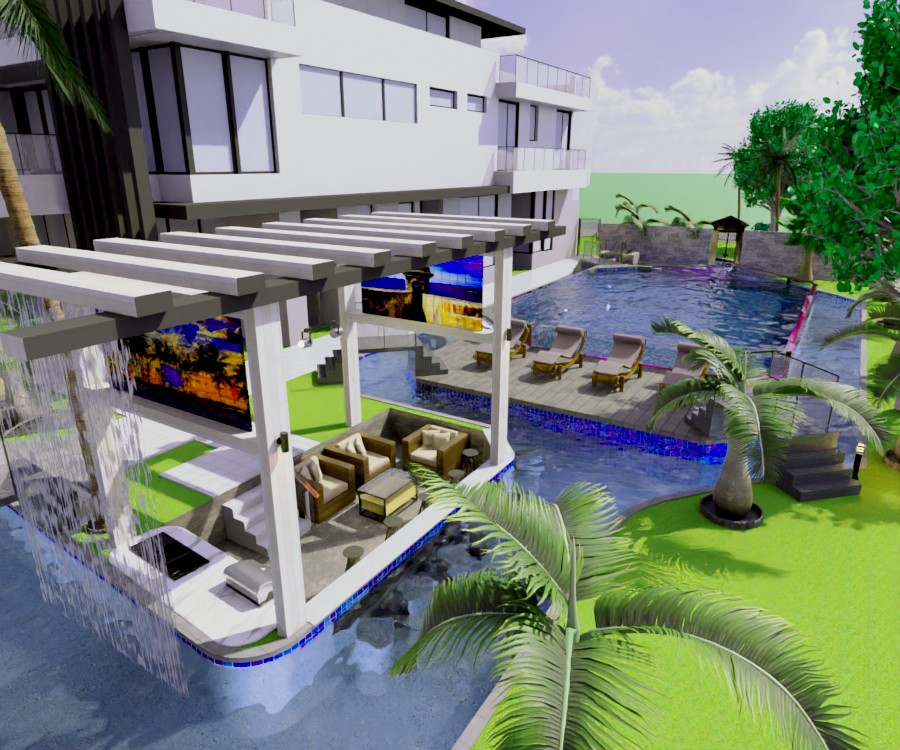
Creating a private pool in your backyard is not just about making a space for relaxation or a place to swim; it’s about crafting an oasis that enhances your lifestyle and property. However, the process involves critical planning and design considerations to ensure the end result is both beautiful and functional. Here’s a comprehensive guide to the key aspects you should consider when designing your own pool.
1. Purpose and Functionality
Before diving into the aesthetics, define the primary purpose of your pool. Will it be used for laps, recreation, or both? Understanding its use will influence its shape, size, and features. For instance, a pool meant for laps might be longer and straighter, whereas a recreational pool could include a wider, freeform design with areas for lounging and play.
2. Location and Placement
Choosing the right spot for your pool is crucial. Consider factors like:
- Sunlight Exposure: Pools placed in sunny spots can help keep the water warm and inviting. However, some shade is also necessary, especially in hotter climates.
- Wind Exposure: Wind can cool water quickly and bring debris. Use natural barriers or build windbreaks to mitigate this.
- Proximity to House: Keep the pool accessible but ensure it doesn’t compromise the foundation of your home or take over outdoor living spaces.
3. Size and Shape
Your pool’s size and shape will largely depend on your backyard’s dimensions and your personal preferences. Make sure to account for deck areas and landscaping. Balance aesthetics with practicality to enhance your home’s overall layout and design.
4. Safety Features
Safety must be a priority in pool design, particularly if children and pets are in the home:
- Fencing: Install secure, child-proof fencing around the pool area.
- Covers: Use pool covers to protect against accidents and keep the pool clean.
- Alarms: Consider pool alarms for an additional layer of safety.
5. Materials and Durability
The choice of materials impacts both the look and the longevity of your pool:
- Interior Finish: Plaster, tiles, and pebbles are popular choices, each offering distinct textures and colors.
- Decking Material: Choose from concrete, pavers, wood, or composite materials. Each has different maintenance needs and aesthetic impacts.
- Water Type: Decide between chlorine or saltwater systems based on your maintenance capacity and health considerations.
6. Style and Aesthetics
The style of your pool should complement your home’s architecture. A modern home might suit sleek, geometric lines with minimalistic features, while a traditional home might call for a lagoon-style pool with natural stone features.
7. Integrated Features
Incorporating additional features can enhance your swimming experience:
- Lighting: Add underwater lights for nighttime swimming and ambiance.
- Heating: Consider a heating system to extend pool usage during cooler months.
- Water Features: Waterfalls, fountains, or jets add a sensory element and improve water circulation.
8. Landscaping
Landscaping around your pool can transform it into a true retreat. Choose plants that can withstand splashes of chlorinated water and won’t drop leaves into the pool. Consider spaces for outdoor seating or dining areas that merge seamlessly with the pool design.
9. Regulations and Permits
Before construction begins, understand local regulations and acquire the necessary permits. These rules can affect everything from pool depth to fencing requirements and must be adhered to strictly to avoid legal issues.
10. Budget and Maintenance
Finally, set a realistic budget not only for the construction but also for ongoing maintenance. Regular cleaning, chemical balance checks, and equipment checks are essential to keep your pool safe and inviting.
Conclusion
Designing your own pool is an exciting project that can add significant value to your life and property. By considering these key aspects—purpose, placement, safety, materials, style, features, landscaping, regulations, and budget—you can ensure that your pool is a well-planned sanctuary that brings joy for years to come. Whether you’re doing laps, hosting parties, or simply cooling off on a hot day, a thoughtfully designed pool can make every splash count.
Leave a Reply