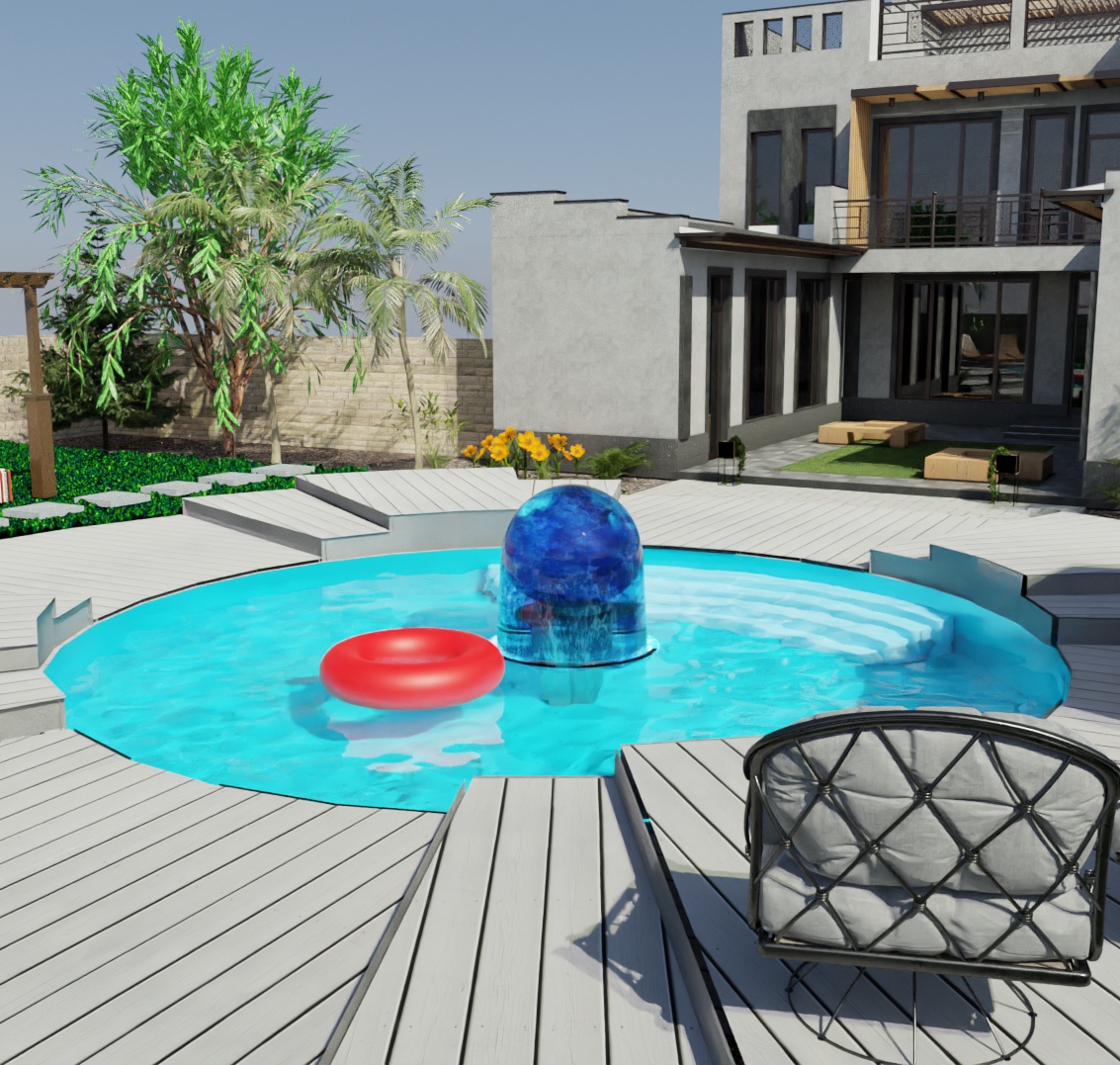
Building a swimming pool in your backyard is a quintessential dream for many homeowners. It promises endless fun, a personal retreat, and a boost in property value. While most people opt for professional services, being your own general contractor or taking on the build yourself can be an empowering and cost-effective approach. Here’s why you might consider it and what to keep in mind during the design process.
1. Cost Efficiency
The most compelling reason to take on the role of general contractor or to DIY your pool build is cost savings. Professional pool installation can be prohibitively expensive, including labor, project management, and contractor markups. By managing the project yourself, you can potentially save 20% to 30% of the total costs, which can be reinvested in higher quality materials or additional features.
2. Customization
When you are at the helm of constructing your pool, you have the flexibility to customize every aspect according to your preferences. Whether it’s choosing the exact size and shape, deciding on the type of tiles, integrating a unique waterfall feature, or installing eco-friendly equipment, DIY-ing allows you to make your pool truly yours, unbound by the limitations of pre-packaged designs.
3. Hands-On Control
Acting as your own contractor gives you direct control over the timeline and the quality of work. You can make decisions quickly, resolve issues on the fly, and ensure that every aspect of the project meets your standards. This immediate oversight can decrease the likelihood of costly errors or delays that can happen when communicating through a third party.
4. Learning and Satisfaction
There’s a significant amount of learning in taking on such a complex project. You’ll gain insights into construction basics, landscaping, plumbing, and even local building regulations. This knowledge can be empowering and serve you in future home improvement projects. Moreover, the personal satisfaction of completing a major project like this can be immensely fulfilling.
Considerations Before Diving In
While there are numerous benefits, building a pool is not without its challenges. Here are a few considerations:
Planning and Permits
One of the first steps in the process is to secure the necessary permits. This involves understanding local building codes, which can vary significantly by location. Ensure you have all the legal requirements sorted out to avoid any penalties or forced changes to your project.
Design Skills
You need a well-thought-out design before starting your construction. Consider using design software or consulting with a professional architect or landscape designer just for the planning phase. This step is crucial to prevent structural issues and to ensure that the pool blends seamlessly with your overall landscape.
Choosing the Right Materials and Equipment
Selecting the right materials and equipment is vital for both the longevity and safety of your pool. Research the best practices for pool construction, including the types of pumps, filters, and liners. Also, consider energy-efficient and eco-friendly options that can reduce long-term operational costs.
Time and Effort
Building a pool is time-consuming and physically demanding. Be prepared to dedicate several months to overseeing the project, which can be a significant commitment alongside other responsibilities.
Long-term Maintenance
Understand the long-term maintenance that your pool will require. This includes regular cleaning, chemical balancing, and possibly repairing mechanical components. Being informed about these requirements will help you build a pool that’s easier to maintain.
Conclusion
Acting as your own general contractor or building your pool yourself can be a rewarding challenge with considerable financial and personal benefits. With detailed planning, a willingness to learn, and a hands-on approach, you can create a backyard oasis that is a source of pride for years to come. Whether it’s for leisure, aesthetics, or increasing property value, a DIY pool project could just be the splash of life your home needs.
Leave a Reply